Summary
The learning plan explores how design serves as a problem-solving tool across diverse communities, highlighting its impact on addressing unique local challenges. It also delves into the significant role design plays in shaping our future, emphasizing its influence on societal progress and innovation.
Impact on Learning
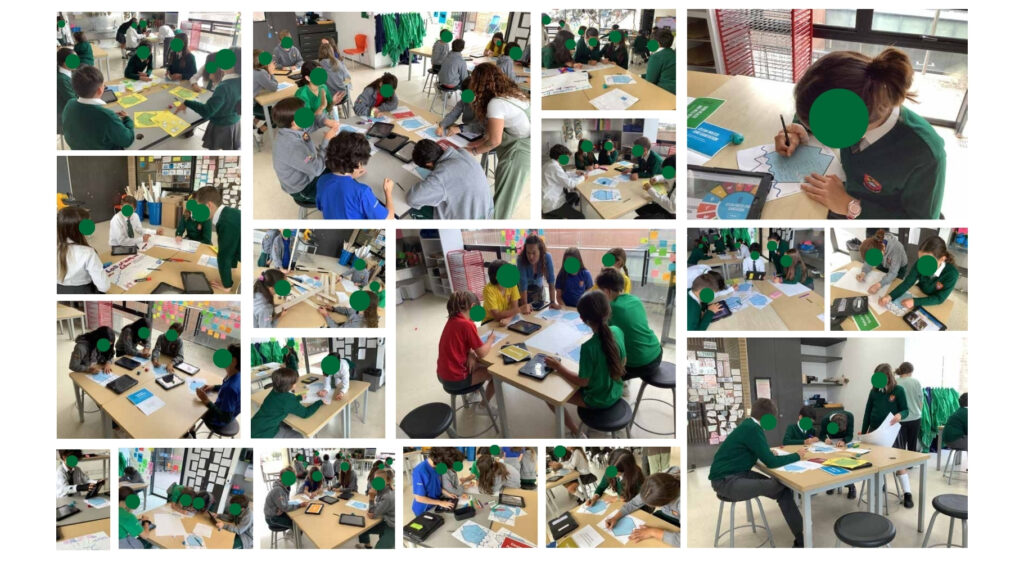
This experience led to increased empathy and collaboration as students proposed and implemented more inclusive and real-life solutions, demonstrating a shift in their behavior towards proactive problem-solving and teamwork.
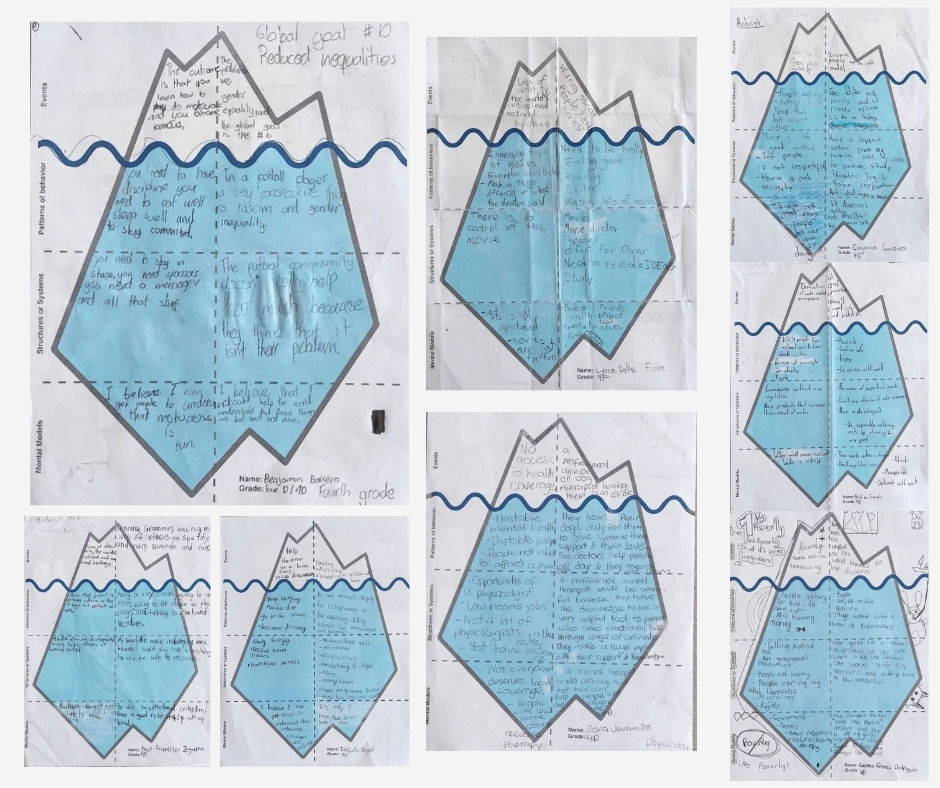
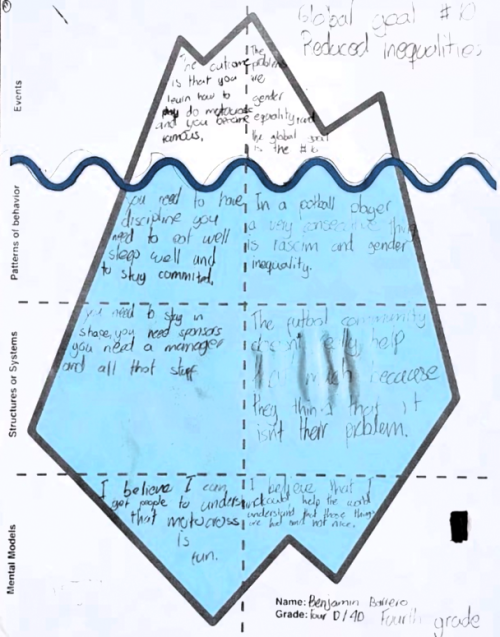
One concrete example from one of my students who initially viewed her career path in biology focused on climate change solely as a matter of reducing carbon emissions. However, after using the Systems Iceberg model, she recognized the deeper structural issues, such as economic policies and societal values that drive unsustainable practices. For example, I had many students who shifted their view of a common career path by analyzing more complex topics that came up after applying the tool, like: gender equality in sports, identity and cultural values in art, social responsibility in healthcare, or displacement and homelessness in architecture. The depth that was possible to obtain by using the iceberg led them to propose more comprehensive design solutions that included policy advocacy and community education initiatives. Additionally, their behavior shifted towards proactive problem-solving, as they began collaborating more with peers to tackle these complex issues from multiple angles.
Highlights
Examples of work