“Why are they cleaning the city just for this event?” “Why do the visitors matter more than we do?” “What about those of us who live here all the time?”
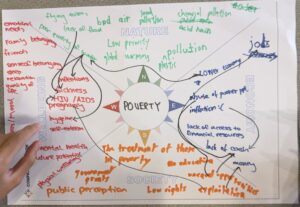
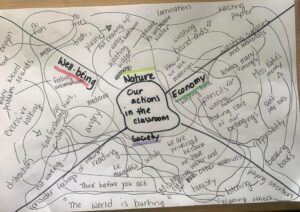
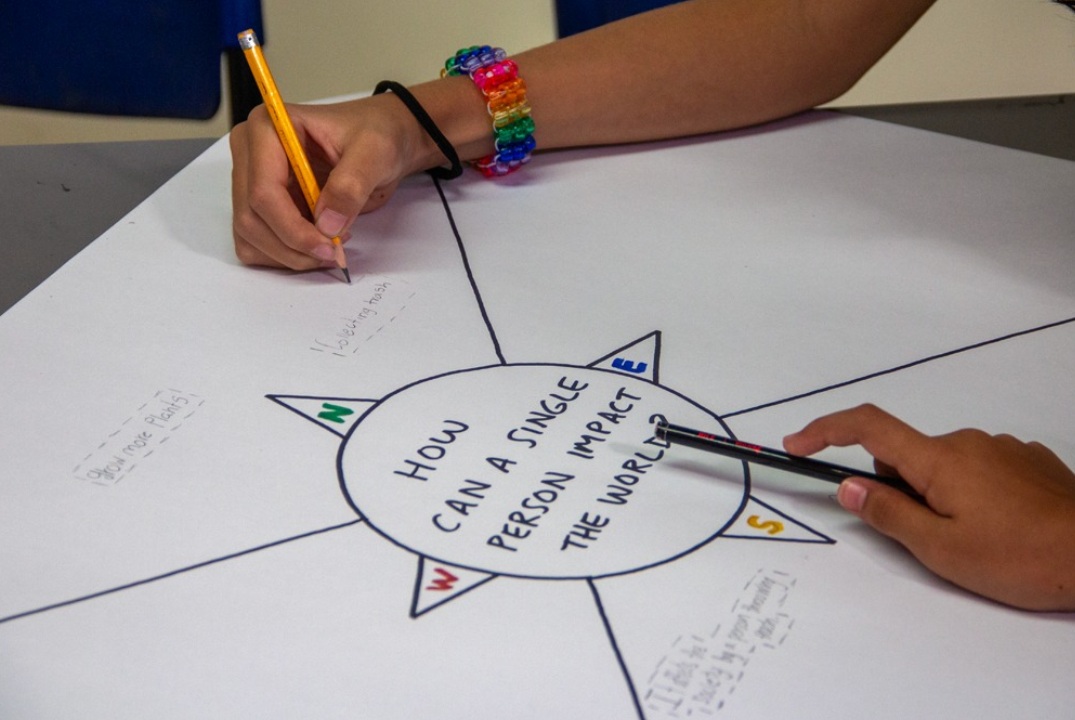
I was excited to use the Sustainability Compass with my 5th grade students here at Colegio Bolivar in Cali, Colombia. Our city had been chosen to host the 2024 United Nations Biodiversity Conference (COP16) and my students had been witnessing many special events taking place around Cali. Class discussions were held about the upcoming conference, about why Colombia was an important choice to host the conference (we are one of the most biodiverse countries in the world and feature more bird and amphibian species than any other country!) and why it was good for our host city of Cali. Students had noticed lots of things happening in Cali in preparation for the conference, including that our city government was doing lots of cleaning and painting projects around the city. They questioned why our city doesn’t work to keep itself clean all the time, not only for special events.
I chose to use the Sustainability Compass with my students because I have seen how they are able to recognize the cause-and-effect relationship between our actions and their impact on nature and the environment, but they do not always recognize the wider implications of what we do on society. I felt that this tool would help them to become aware of those issues and hopefully lead to a greater sense of responsibility.
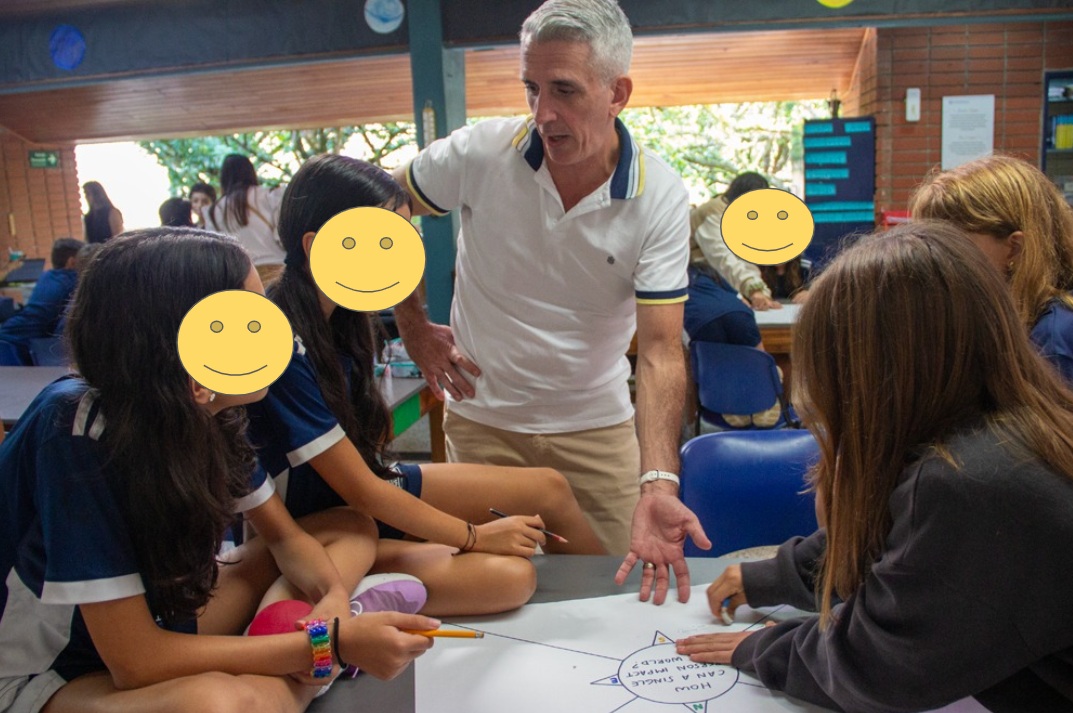
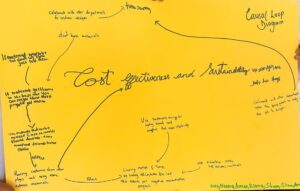
My students greatly enjoyed the process of using the Sustainability Compass. At the end of the learning plan, my students completed a reflection about the process of using the Sustainability Compass. Many students commented that it was an excellent way to help them organize their thinking and see connections that they had not noticed before. They were able to realize that the choices we make affect not only nature, but our local economy, the society of our school and city, and even the well-being of people far away from us.
As part of the event, our school hosted a Sustainability Week with exhibits of student work, workshops, and special invited guests. My students’ work with the Sustainability Compass and their reflections on their learning were included in the exhibition of student work in our school library. Many students wrote commitments that we displayed outside our classroom as a public reminder of the small changes each of us can make to have an impact.
Commitments ranged from simple ideas such as “I will buy less plastic” and “I will pick up trash that I see even if it is not mine” to larger ideas such as “I will buy less imported material and more local made ones to save gasoline” and “I will use AI wisely and not to play because every time that AI gives you an answer it uses a lot of energy.”
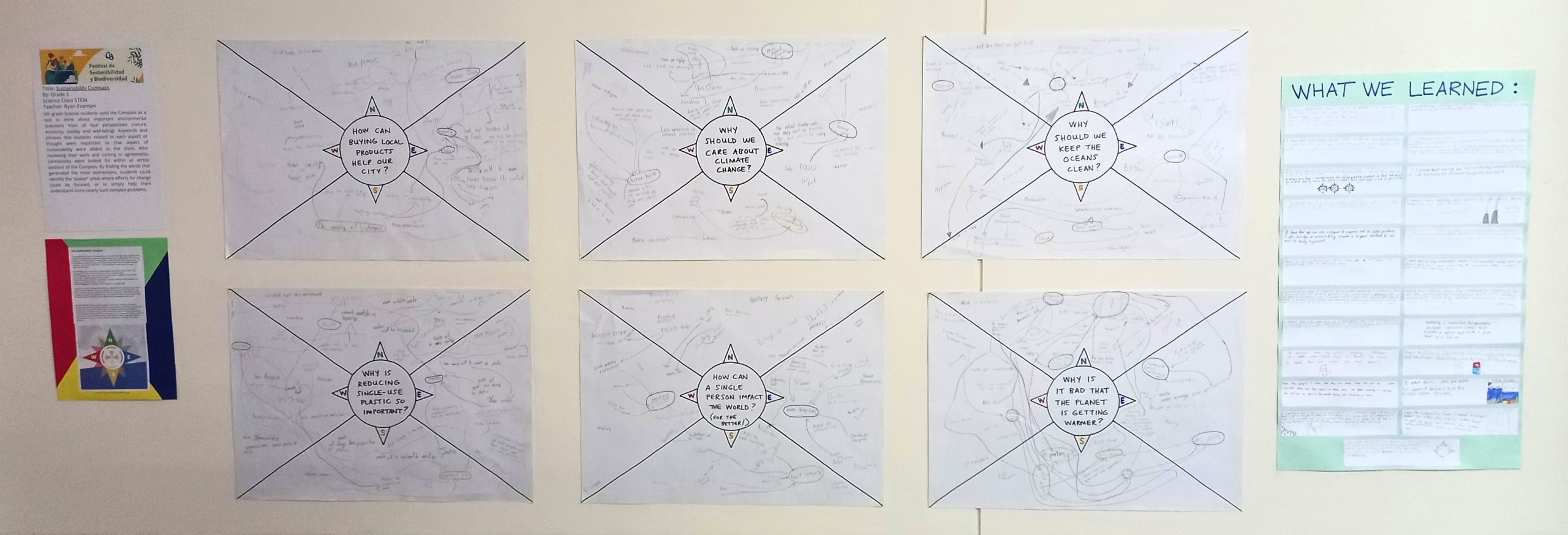
Examples of student reflections on what they learned by using the Sustainability Compass included:
“Doing this Compass I learned there’s always something bad and something good in each thing. For example plastic is bad for the environment, nature, and biodiversity but also we need plastic for water bottles and many other things. I also learned that nature, economy, society and well being are all connected.”
“I learned that just because of an environmental problem a lot of other things are affected too. For example, if trash increases in a place where there’s a lot of tourism they will generate less money. So basically you need to have a balance.”
“I learned that you can just by a good question find the good things that can happen or the bad things it can cause. It has also taught me to find solutions for 4 different topics with the same question.”
“I learned that one action can make a really bad impact or good. Like if I say ‘make more buildings in the forest for the view’ it might be really good for the economy or tourism, however it is bad for nature and wellbeing because it would destroy and people maybe will be sad. Always think before you do something and really think if it will help everything, or all the Sustainability Compass. I may affect the whole world or my city.”
I greatly enjoyed watching my students use the Sustainability Compass. They were highly engaged throughout the entire process and genuinely had fun even while discussing difficult topics. Moving around the room and listening to the deep conversations they were having while working reminded me that so often we can underestimate younger learners’ abilities to see the world as it is and make reasoned arguments. This lesson sequence enhanced my unit and drove home the message that every one of us can have an impact and be an agent for change. Students saw connections they had never considered before and loved the organized way that the Sustainability Compass allowed them to show their ideas. These tools will definitely become a part of my teaching in the future!